
Snakebites and the Cost of Coexistence
This year, early rains led to a rise in snakebite cases, with stocks of antivenom running low. To support the work of Meserani Snake Park Clinic in Northern Tanzania over this period of increased demand we have funded 200 vials of high-quality polyvalent antivenom.
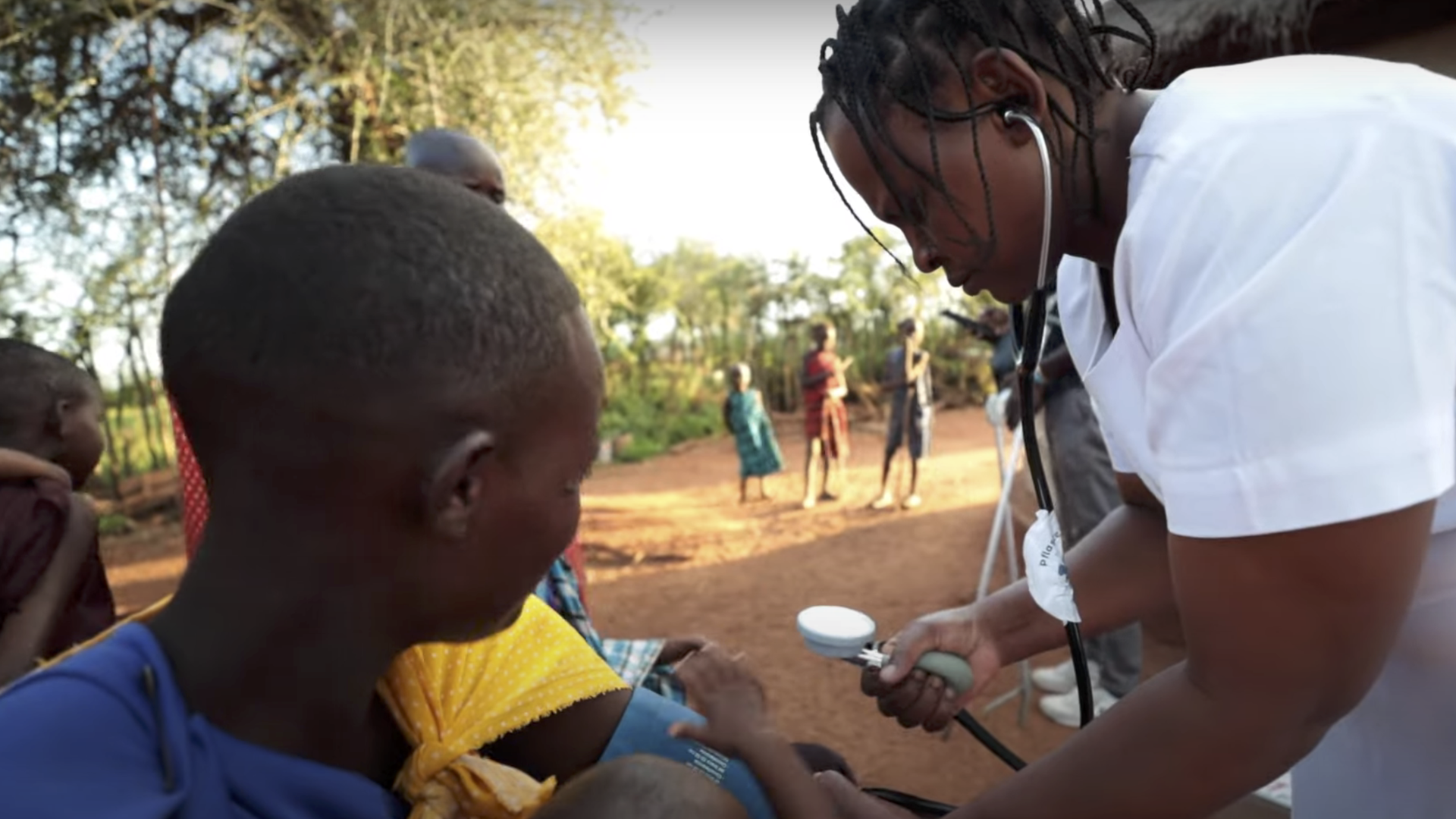
One of the less visible forms of human–wildlife conflict in East Africa is part of daily life for many rural communities. Snakebites are a serious issue across Tanzania. They rarely make headlines, but the impact is significant. Venom can cause severe tissue damage, and nerve injury, leading to long-term disability.
For people who rely on physical labour, this can mean losing the ability to farm or herd livestock. The effect of lost income is felt across entire households.
One of our new impact partners is the Meserani Snake Park Clinic, located around 25 kilometres west of Arusha on the road to the Serengeti and Ngorongoro Crater. Over the last three decades the clinic has treated over 15,000 snakebite victims, many of them farmers and pastoralists who would otherwise have little access to care.
Most bites happen in rural areas, although tourists are unlikely to accidently encounter snakes on safari in protected areas. However farmers working in the fields, people walking home at dusk, or families sleeping in simple houses where snakes can enter, often find themselves caught in an unwelcome encounter.
This risk increases during the rainy season. Heavy rains flood burrows, pushing snakes to seek out higher ground where people live and farm. At the same time, prey like rodents and frogs become more active, drawing snakes closer to homes and food stores. Thick vegetation and muddy paths during the rainy season also makes it harder to spot them.
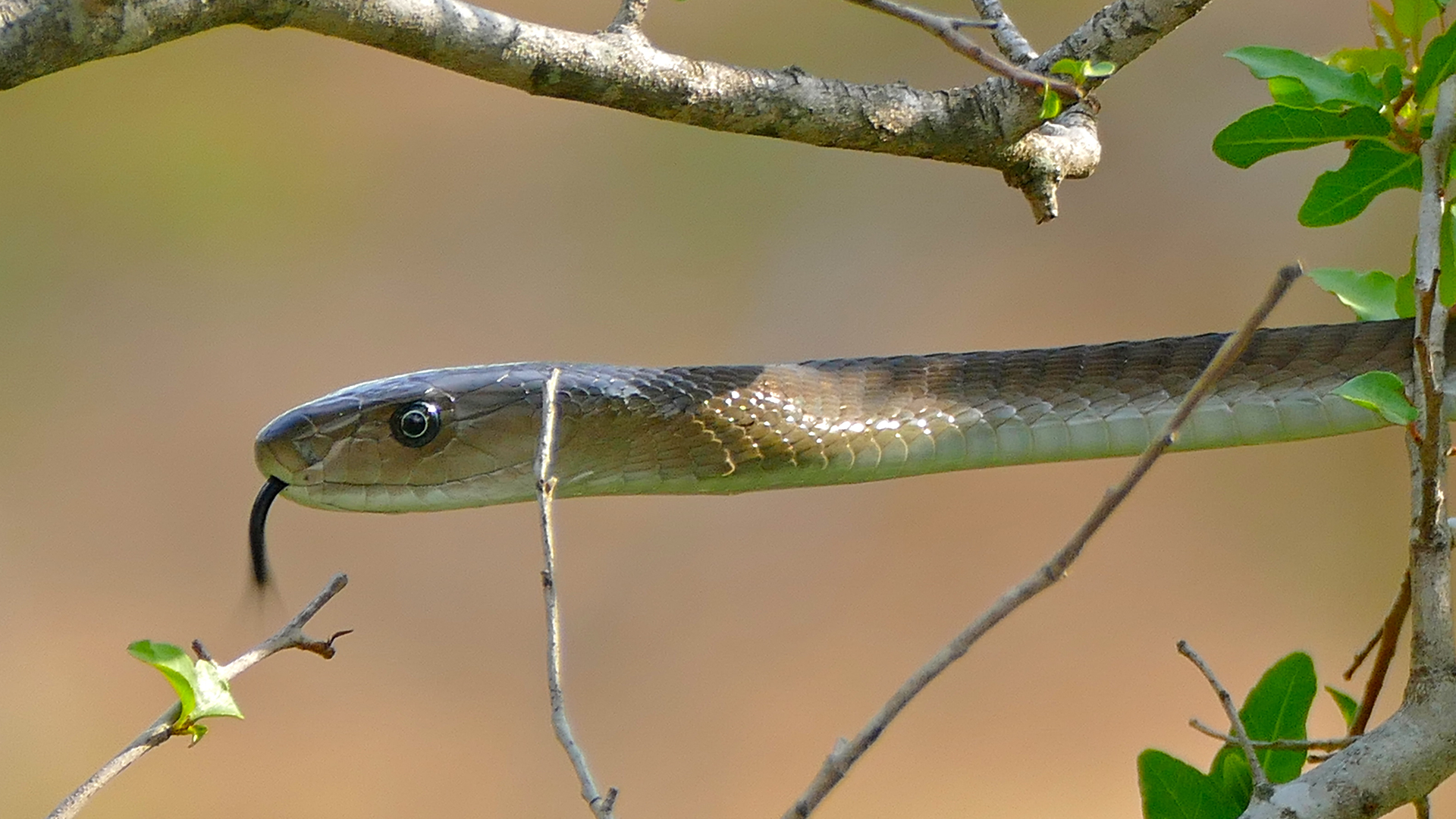
Most bites happen in the early evening, when light is low and people are still moving between fields and home. Treatment is straightforward in principle but timing is important. Antivenom can save lives but it is expensive to produce, difficult to store, and often unavailable in rural areas. For many communities, reaching a facility that can treat snakebites means travelling long distances, often without transport.
The Meserani clinic was established in response to high mortality rates in surrounding villages, it provides treatment free of charge for many patients serving rural communities across Arusha and Manyara where encounters with venomous snakes are common.
This year, early rains led to a rise in snakebite cases, while stocks of antivenom were running low. To support the work of the clinic over this period of increased demand we have funded 200 vials of high-quality polyvalent antivenom.
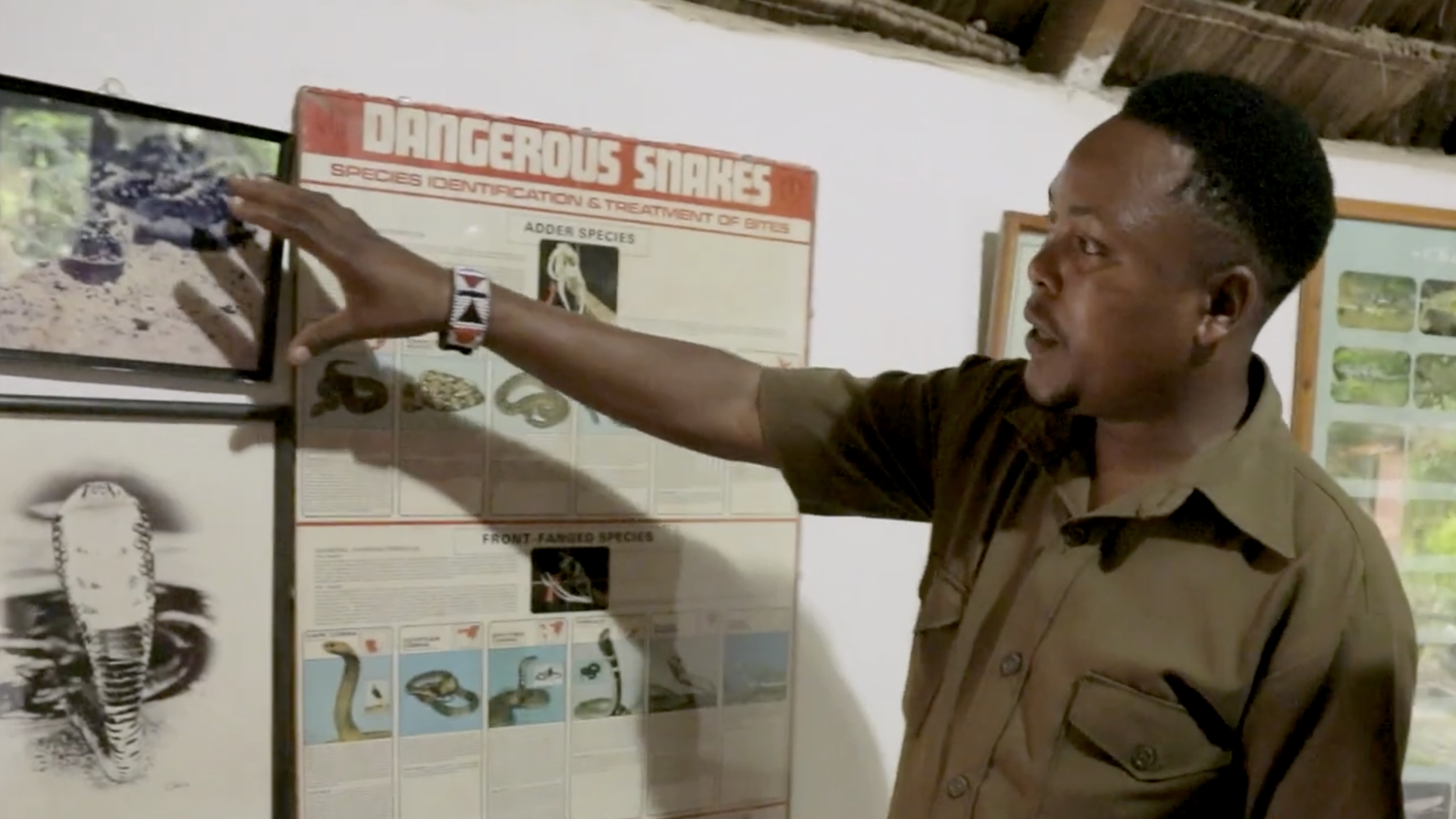
In many households, losing one person’s ability to work has direct consequences for food security and income. Access to treatment protects both health and livelihoods. The impact of snakebites sits outside the more visible conservation challenges, but it is closely linked to them. In many of the landscapes we support, people live and farm alongside wildlife. Reducing the risks they face is part of making these places viable for human wildlife coexistence.