
The Land That Sustains Kruger
Go2Africa has been a long-term funder of the Endangered Wildlife Trust conservation work in the Greater Kruger. More recently, our funding has focused on the “Farming for the Future” program in the Western Soutpansberg, supporting regenerative agriculture training, mentorship, and improved market access for smallholder farmers.
Three hours north-west of Kruger, the land begins to lift. The air dries, the vegetation shifts, and the Soutpansberg mountains emerge, running in a long, uneven line across northern Limpopo. This is not a landscape most travellers reach, but it holds the systems that Kruger depends on.
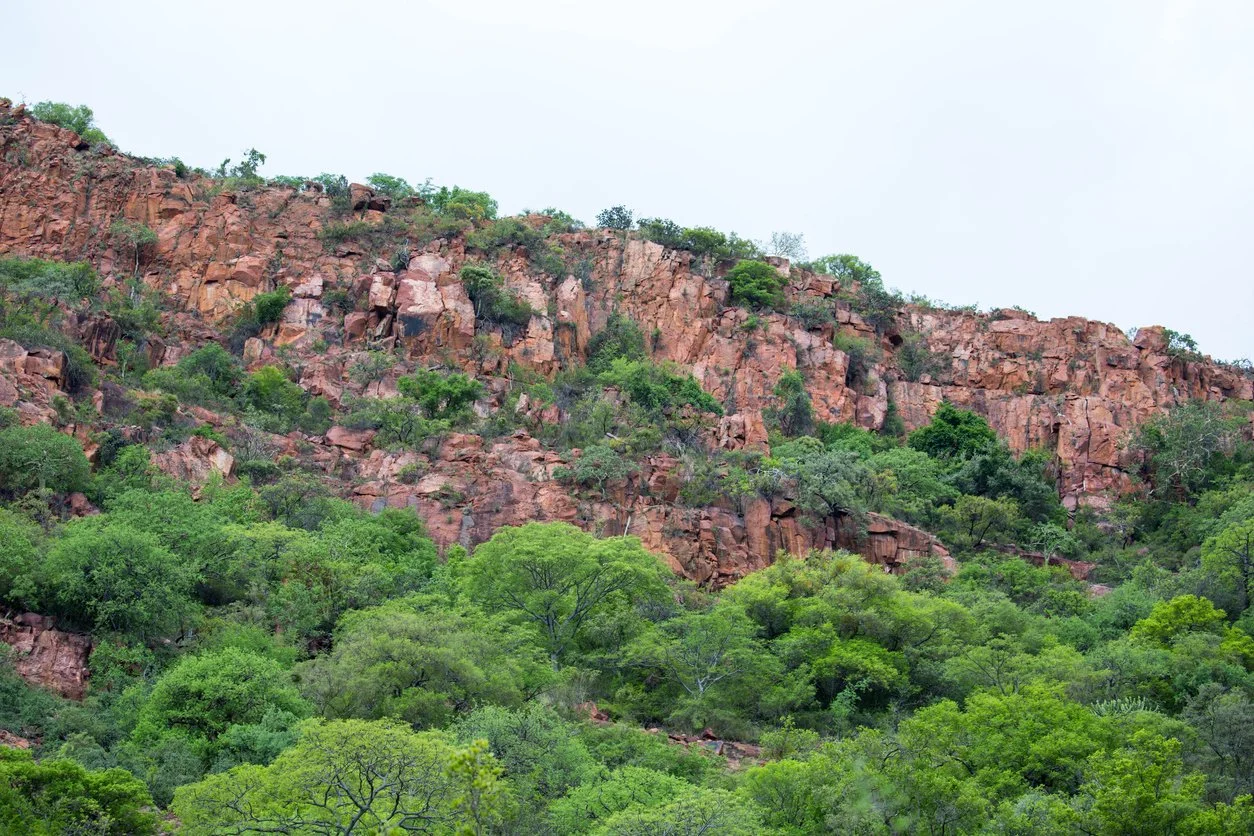
The Soutpansberg forms part of the UNESCO-listed Vhembe Biosphere Reserve, a 30,700 km² network of connected ecosystems stretching across northern South Africa. It links directly into the Greater Limpopo Transfrontier system, allowing wildlife, water, and ecological processes to move across borders into Mozambique and Zimbabwe. It is also one of southern Africa’s recognised centres of endemism, where species exist nowhere else. If they disappear here, they disappear entirely.
Rain across this region typically falls in short, intense bursts, often running off quickly across hard ground. In the Soutpansberg, the pattern changes because mountains absorb rainfall, store it underground, and release it slowly into the wider Limpopo catchment.
This is a working landscape. Communities farm, graze livestock, and navigate the pressures of a semi-arid climate with limited resources. Land degradation, driven by past grazing practices and farming, has reduced soil health and productivity in many areas. Market access is inconsistent and yields are often low creating pressures around food security.
What happens here directly affects Kruger. The rivers, wildlife corridors, and groundwater systems that sustain the park all originate beyond its boundaries, shaped by how this surrounding land is used and managed.
Thousands of Go2Africa's travellers come to South Africa to visit the Greater Kruger ecosystem each year. Guests are invited to contribute a voluntary bednight levy when they stay at select properties in the region, and those funds are matched through Nawiri, doubling the value generated, allowing us to direct funding into the landscapes that sustain the experience.
We have partnered with the Endangered Wildlife Trust (EWT) in this region for several years, contributing over US$180,000 to their work across the Greater Kruger landscape. The focus is consistent, long-term work that links ecological function with local livelihoods, rather than isolated interventions.
In the Western Soutpansberg, that work now centres on Farming for the Future where we are supporting communal landowners and smallholder farmers to build viable agricultural systems that work with the land. Farmers in the region face significant challenges. Erratic rainfall hinders consistent crop production and crops are vulnerable to livestock and wildlife damage. Access to markets is often limited, which keeps income low and unpredictable.
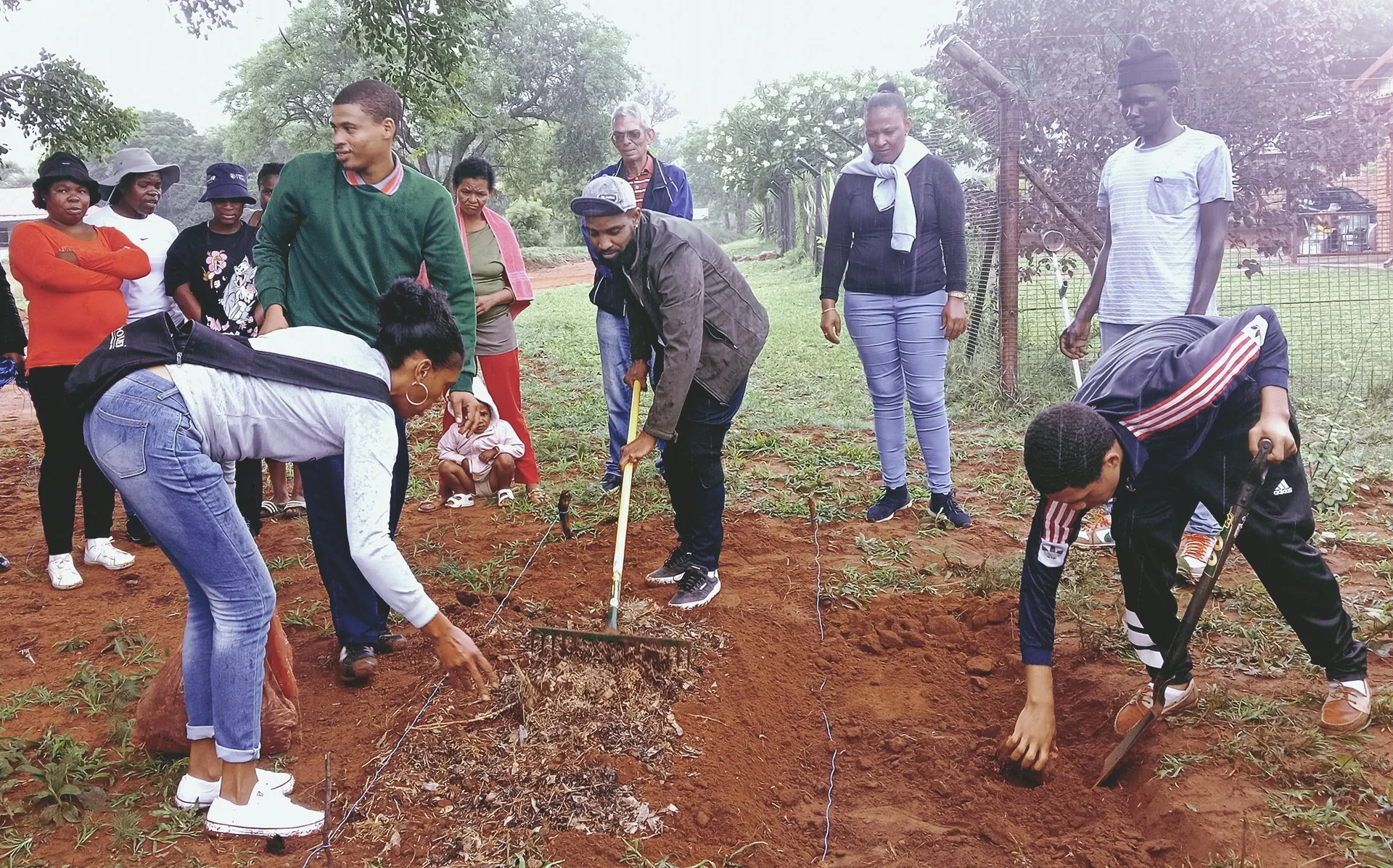
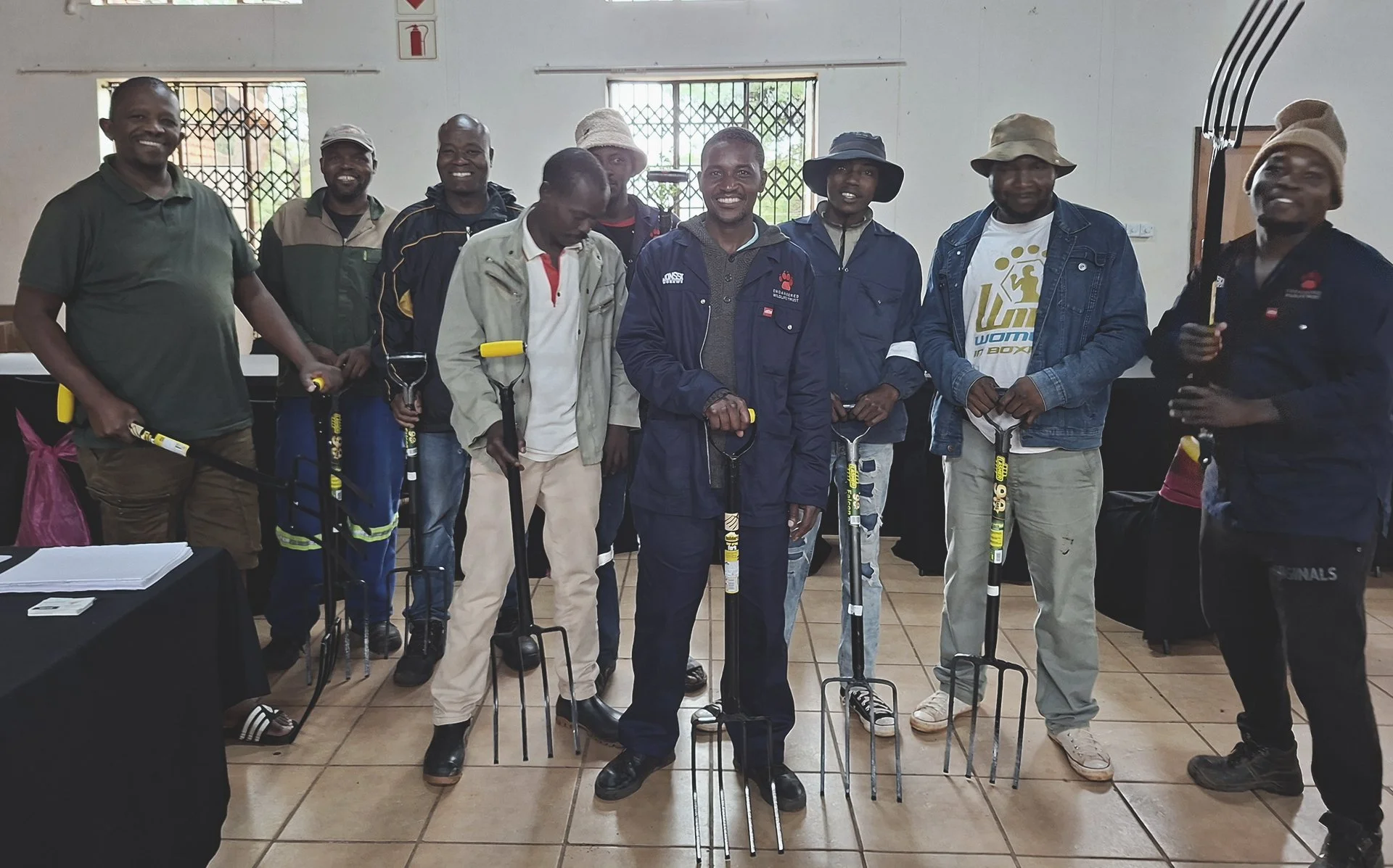
The EWT works alongside farmers to address these constraints directly. Training focuses on conservation compatible agriculture methods, reducing soil disturbance, maintaining ground cover, and diversifying crops to improve soil structure, increase water retention, and lower production risk over time. Our funding supported a series of practical, hands-on workshops designed to build farming skills within local communities. In November 2025, around 50 farmers and community members took part in a five-day training course, combining classroom learning with field-based sessions. Each left with a clear plan for their own plots, from establishing vegetable beds to trialling new crops, with the aim of improving yields, reducing input costs, and building more reliable income from their land. Alongside this, there is ongoing field coaching and mentorship. Farmers are supported to move from subsistence production towards consistent, market-ready supply. Early work is already connecting producers to local buyers, including lodges, creating a direct link between tourism and agriculture in the same landscape.
To strengthen climate resilience and safeguard water security in this semi-arid region, the EWT is supporting universities, local leaders, and other partners to assess groundwater and promote more sustainable water management.
In parallel to this, EWT also is working to expand protected areas within the Soutpansberg, with a longer-term aim of establishing a 27,000-hectare conservation area linked into the wider corridor. Less than 2% of this region is currently formally protected, despite its ecological importance.
While only off-the-beaten-track explorers tend to travel to the Soutpansberg itself, this remarkable landscape underpins much of what makes Kruger thrive, from its vital water systems to the ecological corridors that keep wildlife moving. The projects supported ensures that funding generated through travel flows back into this wider landscape, supporting work that builds reliable income and improved food security from natural assets, while restoring soils, habitats, and the ecological systems that communities depend on.
Read more about Go2Africa’s work with EWT
Visit Endangered Wildlife Trust