
217 New Scholarships Awarded
For over a decade our Scholarship Programme has helped young people from rural communities around the areas where we operate build careers in tourism and hospitality. Many finish secondary school with the ability and ambition to continue their education, but without the financial means to access further vocational training. The Scholarship Programme helps bridge that gap, creating a pathway into an industry operating close to the communities they call home.
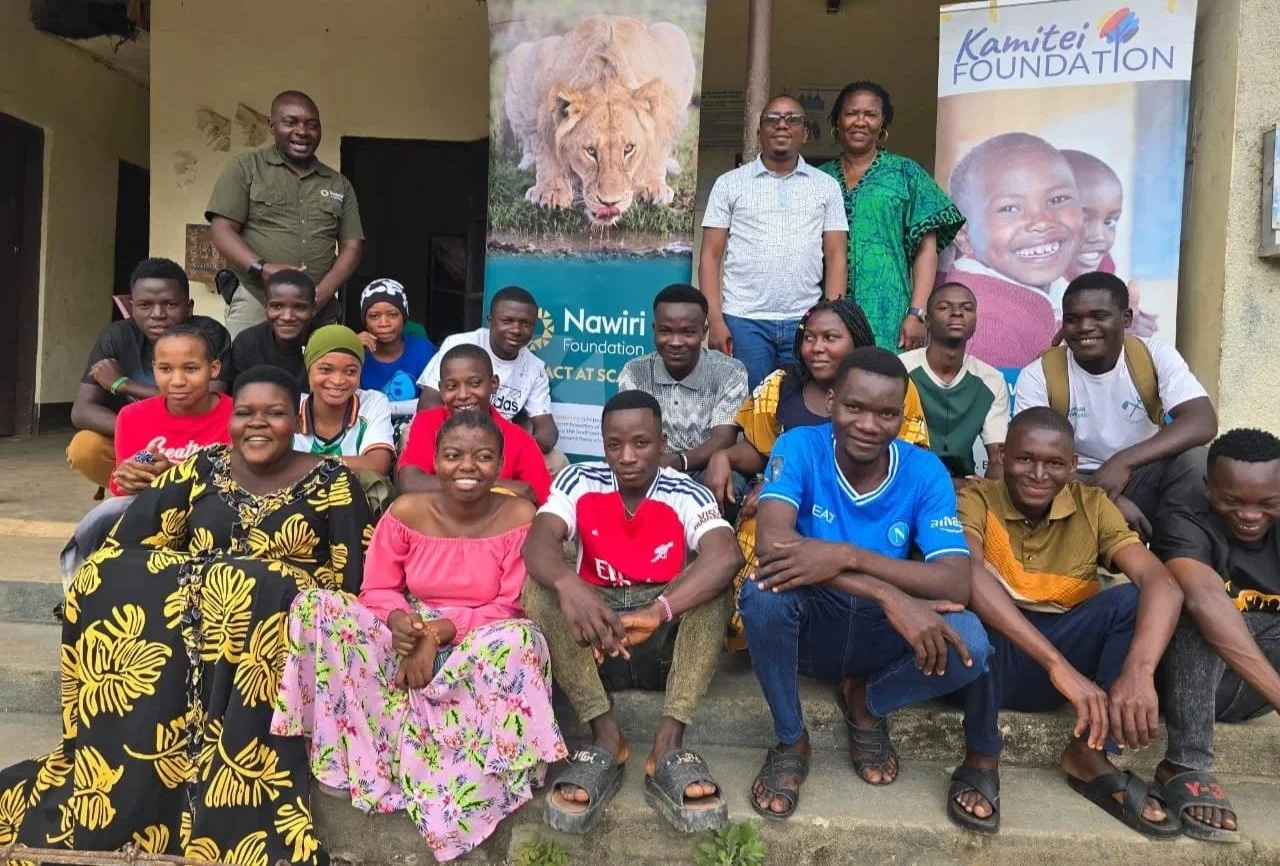
Successful Applicants at Msolwa Station Ward, Southern Tanzania
Tourism creates greater local value when people living alongside the landscapes where it operates can access the skills, qualifications, and employment opportunities the industry generates. Each year, Asilia offers scholarships to youth who have finished secondary school but lack funding or family support to pursue further education. By investing in local talent, the programme helps build a skilled, locally rooted workforce while widening the opportunities available to young people living around Tanzania’s protected areas.
For Sophia Obetto, 23, the opportunity changed the direction her life was taking. She explains, “I completed primary school, but my family didn’t want me to continue in secondary education. Instead, they had arranged for me to marry one of my father's friends who was considerably older than me. Two days before the planned wedding I ran away with the help of my aunt who helped me find some work so I could pay my way. After a few years away, my uncle helped me reconcile with my parents, and agreed to pay for my secondary education, allowing me to return home. After completing school I saw an advert for a scholarship opportunity through Asilia, and successfully found myself studying Hospitality Management. I work for Asilia in the Northern Serengeti at Sayari camp and I’m proud to have a career in hospitality. "
Opportunities start with adverts posted in village offices, outlining the scholarship's purpose, selection criteria, and interview dates. During interviews, candidates have to demonstrate their language skills, introducing themselves in English which is often what they are most nervous about, but the initial selection phase is kept relaxed and informal to encourage participants and to stop nerves getting the better of them. Those passing this phase then travel to Asilia's headquarters in Arusha for a final interview and certificate verification, meeting with college teachers who recommend courses based on each student's competence.
For successful candidates, Asilia covers a year's tuition, accommodation, health insurance, and meals. This year 217 young people have been selected for Scholarships, 117 students from communities in Tanzania’s Southern circuit and 100 from the Northern circuit.
Students combine classroom learning with practical experience, including a three-month field attachment getting experience and hands-on practice before returning to college for their final term. Once they have completed their training, graduates can apply for vacancies across Asilia’s camps and lodges, as well as pursue opportunities elsewhere in East Africa’s tourism industry. Many have found successful long-term careers with Asilia since the programme began.
For the successful applicants a notice pinned to a village office board becomes the beginning of something much bigger: a year of learning, a first chance to work in Tanzania’s growing hospitality industry, and a path towards a career rooted in the landscapes and communities they call home.