
Conservation Careers in Rural Tanzania
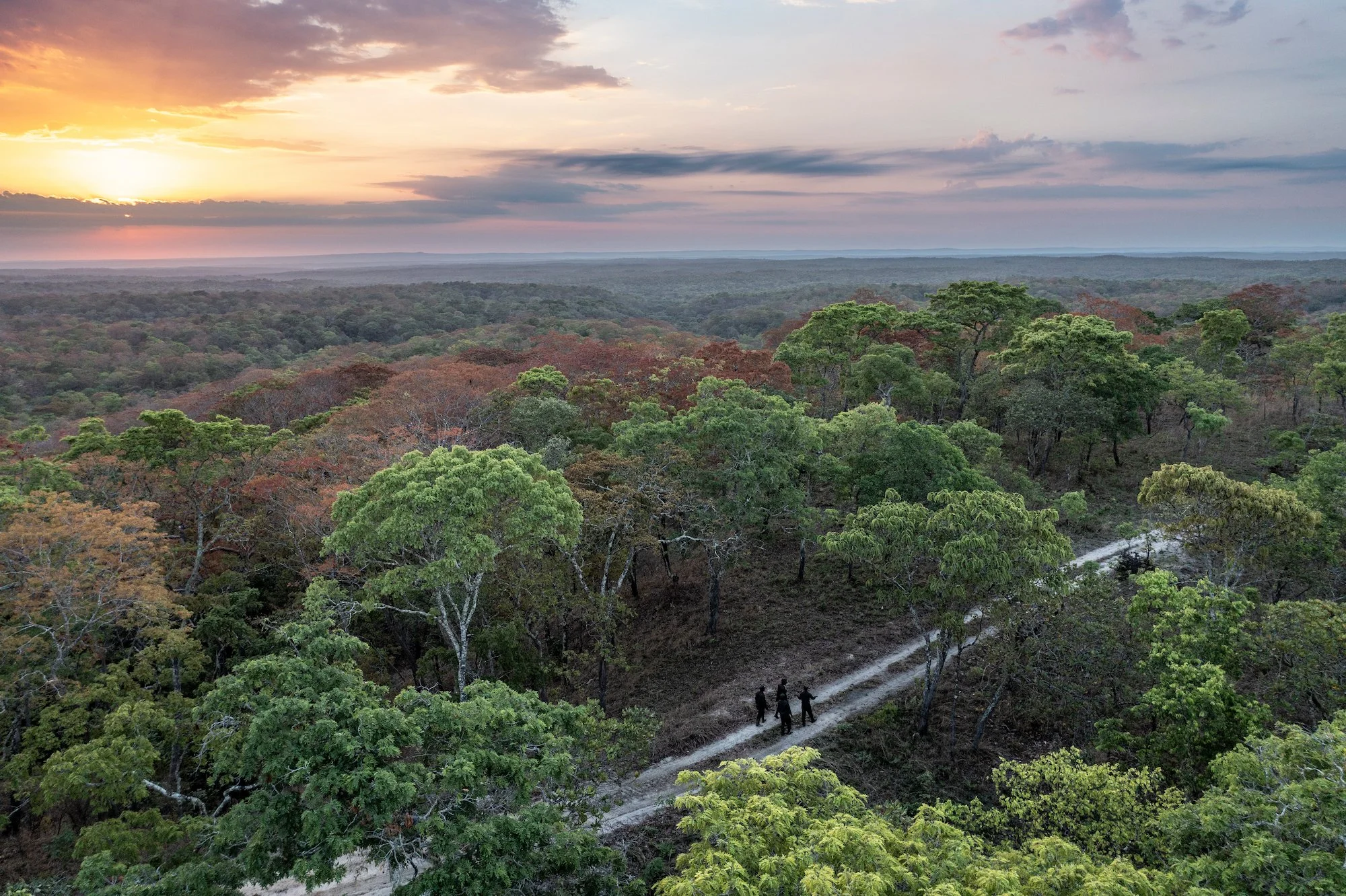
WMA in Southern Tanzania, courtesy of Honeyguide Foundation.
It’s likely that you’ve never heard of Nalika, but Farida, a ranger, hopes that will change. She wants word of its beauty to spread, so that more people come to experience it. Her pride is palpable – patrolling its miombo woodlands and tracing the tracks of its wildlife has earned her the authority to call it spectacular.
Nalika Wildlife Management Area (WMA) is in the remote reaches of southern Tanzania. It sits within the Niassa-Selous Transfrontier Conservation Area, forming a crucial wildlife corridor that stretches from Nyerere National Park to Niassa National Reserve in Mozambique. It's a community-based conservation zone covering part of a five-WMA cluster spanning more than 15,000 square kilometres, where over 75,000 people live alongside wildlife.
Farida grew up in Ulia, a small village not far from Nalika. She remembers hearing tales of elephants destroying farmers’ whole harvests in a night, and of lions lingering on the path that children took to school. Where people and wild animals share space, there is often loss on both sides. Human-wildlife conflict can claim livelihoods – and lives.
In villages like Ulia, many people depend on agriculture. It is a precarious vocation: farmers must contend with the vagaries of climate change as well as crop-raiding wild creatures. Young people in rural areas like these are often discouraged by agriculture’s poor profitability – but with no obvious pathways to alternative employment, many pin their hopes on finding their fortune in the city.
Our partners at Honeyguide Foundation are changing that with their approach to nature stewardship. In northern Tanzania, they’ve integrated four elements into one model: enterprise development, governance systems, wildlife protection, and human-wildlife conflict prevention. The end goal is to turn natural resources, like WMAs, into viable community-owned businesses. Honeyguide has learned that when communities see real economic returns from these natural assets, they become invested, and defend the system themselves. An example is Randilen WMA, where over 93% of its nearly 20,000 shareholders consider the WMA a success.
Honeyguide is now working to replicate this approach in southern Tanzania. They are collaborating with communities on governance and anti-poaching, and helping them to unlock the value of wilderness areas like Nalika so that people are able to access tangible economic benefits.
One of the ways they do this is by creating employment opportunities. They recruit rangers from villages like Ulia, making community members stakeholders in the ecosystem: they become part of its stewardship, and reap the rewards when that’s done well.
Farida was 30, living with her parents and working on their farm, when she saw just such a notice, calling for rangers to work in Nalika WMA.
Farida’s father had worked near a national park, and had filled her imagination with stories of rangers saving people's crops by scaring elephants away. He told her of brave men and women who protected their communities – and the wild animals too.
While volunteering in a community defence initiative, Farida had taken a conservation course. She was awed by the rangers as they moved wildlife away from farmer’s fields, without harm or fear. Inspired by her government’s commitment to protecting its people, she decided that she too wanted to do this work. As soon as she saw the Nalika notice, she applied.
In stepping into a role traditionally reserved for men, Farida had to fight to be taken seriously. Though her father encouraged her, her mother and sisters were horrified. ‘This isn't a suitable job — you understand you're going to be in the bush? What will you actually do? There are dangerous animals — do you really think you can handle that?’ She also had to contend with stereotypical assumptions that female rangers were nothing more than the male rangers’ girlfriends. Over time though, she and the women who work alongside her have proven they have just as much to bring to the table as the men.
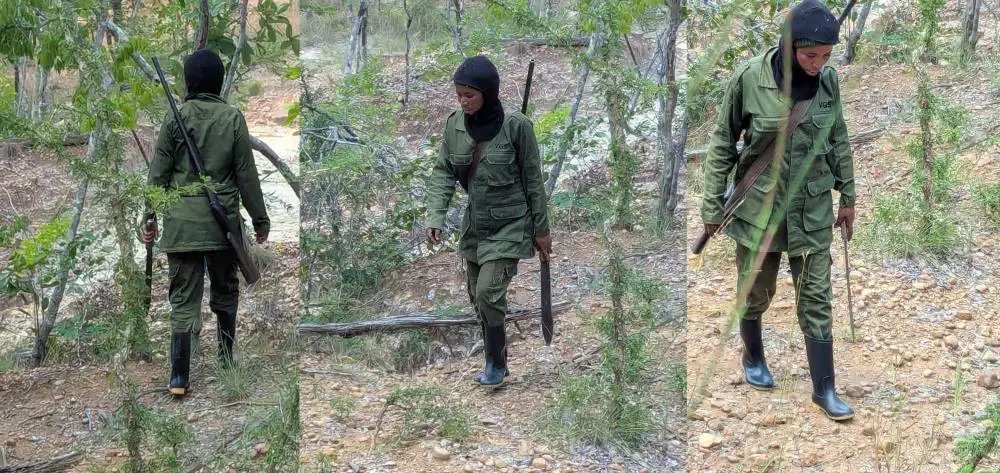
Farida on patrol within the WMA
The work has taught her a lot. She’s learned to handle weapons, coordinate by radio, read wildlife behaviour, and navigate governance. Though the rangers are stationed in the WMA, the job entails constant community engagement – which is Farida’s favourite part. Beyond being called out to move wildlife off people’s farms, they conduct education and awareness campaigns to promote coexistence over conflict, teaching people how to live safely alongside their wild neighbours.
Farida noticed that as they earned people’s trust and respect, the community began to call them more. ‘When poachers try to come in, people tell us: ‘On such-and-such road, they're hiding meat — some illegal miners have come in too.’ So we go and position ourselves in those areas, and we catch them — because we work hand in hand with the community.’ She attributes Nalika’s decrease in poaching to the relationships they’ve built.
Farida remembers when proceeds from the WMA funded a clinic for the village. In the past, she says, ‘they didn't understand what a WMA or conservation really meant. But now that they see the money reaching the villages directly, they're benefiting, and they're glad to be part of it.’
She has noticed other changes too. People began to see her and her female colleagues in a new light when they saw the lives they’ve created with the living they make. Supporting themselves, building their own houses, and enjoying a good lifestyle earned them respect for their work. Now, the number of young women applying for positions like Farida’s is steadily on the rise.
Farida’s trajectory to the kind of success that others aspire to is not merely a side effect of nature stewardship; it’s the mechanism by which the model works. When there’s a system in place that allows people to thrive when their natural assets do, those assets take on new value: it’s personal, financial, and worth fighting for. In Nalika, the WMA has become more than a corridor for wildlife; it’s a pathway for those following in Farida’s footsteps to a life of promise and possibility.